BusinessNews
Glass packaging fees cut for UK pubs from April 2027
Defra will exempt glass drinks sold directly to pubs and licensed venues from packaging EPR fees from April 2027, removing a double charge on recycling.
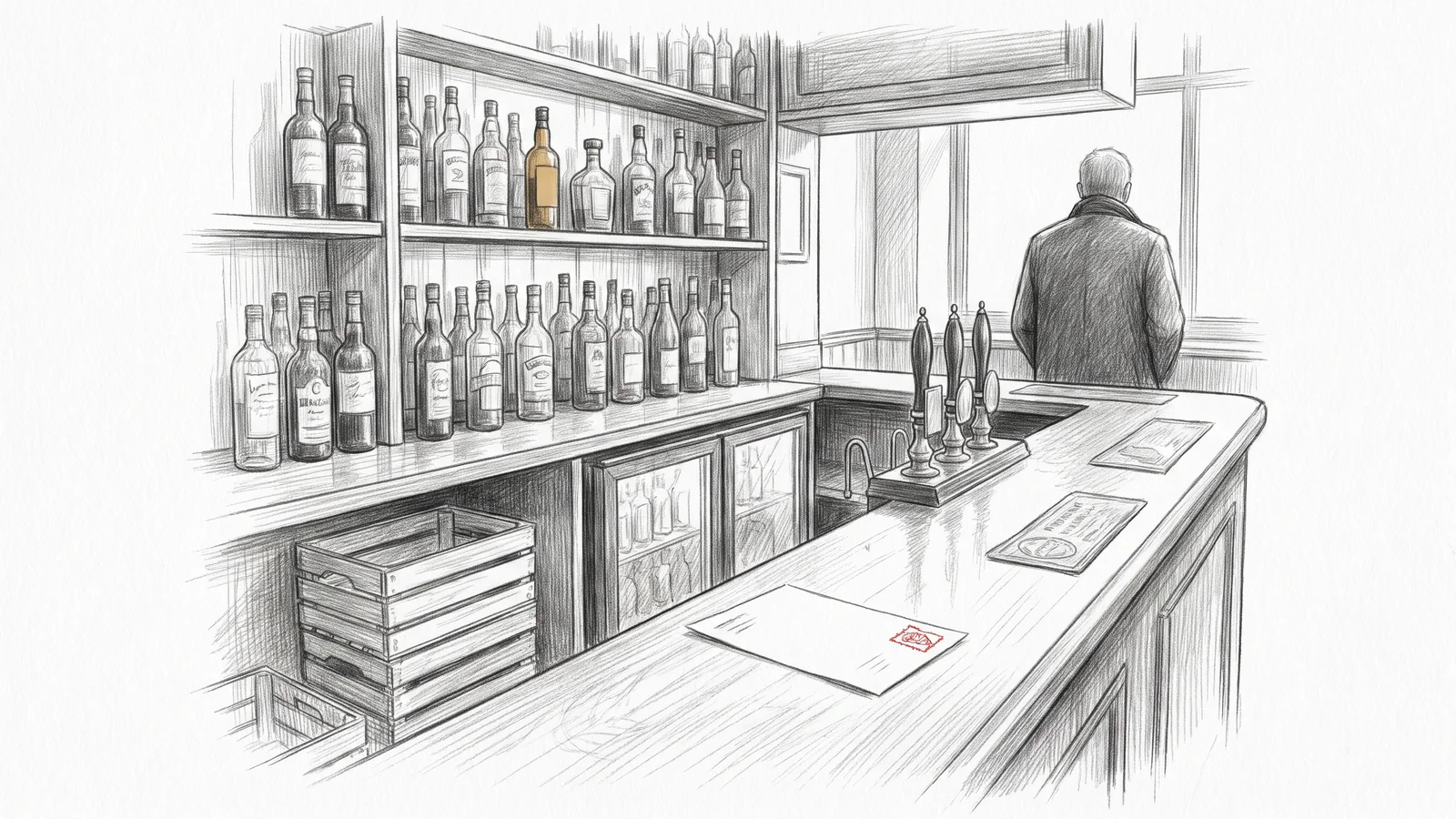
The Department for Environment, Food & Rural Affairs (Defra) has announced changes to packaging rules that aim to remove what the government calls double charging on glass bought by pubs and restaurants. The announcement, made on 11 November 2026 by Environment Secretary Dame Angela Eagle, says glass drinks containers sold directly from producers to licensed hospitality venues will no longer be liable for Extended Producer Responsibility (EPR) fees from April 2027.
The glass measures cover England, Scotland, Wales and Northern Ireland. They do not, on their own, change what a business pays for its own waste collection, and the government does not say how that charge will change.
What the exemption covers
Under the scheme, the businesses that place packaging on the market pay EPR fees to help fund the cost of recycling it. Defra says some hospitality businesses were effectively paying twice for the same packaging: once through the price of drinks, and again through their commercial waste arrangements. The exemption is intended to end that overlap for glass drinks containers supplied directly to licensed venues.
The government’s own estimate is that a business saves up to 6p per beer bottle and 10p per wine bottle. For a pub selling 10,000 beer bottles and 3,700 wine bottles, Defra puts the saving at up to £870 a year. The notes to editors say these figures are based on current fees and industry estimates of consumption. They also say beer-bottle savings vary from 4p to 6p depending on size, and that the saving will be realised by the businesses responsible for the EPR fees, such as drinks manufacturers, rather than by pubs directly.
Fee cuts for recyclable packaging
Separately, Defra says it will consult on the fees businesses pay for packaging waste. The aim is to make easy-to-recycle packaging, such as glass and paper, cost less, and to make harder-to-recycle packaging, such as some plastics, cost more. The department says this could reduce fees for the most recyclable packaging by up to 40% per year.
The consultation is a proposal. Defra has not published new fee rates, so businesses cannot yet calculate a figure for their own packaging.
Reaction from the trade
The UKHospitality trade body called the glass exemption “incomplete”, according to The Spirits Business, which reported that some licensed businesses may not benefit. Resource Media reported that pub representatives warned some businesses could miss out. The exemption covers glass bought directly from producers, so pubs that buy through wholesalers or in other ways may not qualify.
The government also points to pressure on glass manufacturers. It cites two Trade Remedies Authority investigations into glass container imports, one on dumping from China and one on subsidies from Turkey. A provisional anti-dumping measure on Chinese imports was imposed on 9 September 2026, and both investigations remain ongoing.
What happens next
Defra says a call for evidence on reusable packaging will be launched next month, in December 2026, covering England, Scotland and Northern Ireland. In early 2027, PackUK will publish a call for evidence on the fees manufacturers pay for packaging waste. The government says it remains committed to the principle that producers should contribute to the cost of managing packaging waste, and that £1.4 billion has already been provided to councils through the scheme.
What businesses should do now
Pubs and restaurants should check how their drinks are bought and delivered. The April 2027 exemption applies to glass sold directly from producers to licensed venues, so the route of supply will matter. Operators should also review their waste contracts, because the government’s notes say the saving sits with the businesses that pay EPR fees rather than with venues.
Hospitality businesses with Spanish operations may find our Verifactu deadlines guide useful, because it sets out the compliance timetable for invoicing software in Spain. Businesses working across both regimes should keep both under review.