PropertyExplainer
Tensioned housing zones: three Basque towns added
The BOE lists three tensioned housing zones declared in Q3 2026: Sopela, Urduliz and Bergara. Each lasts three years. What the resolution says.
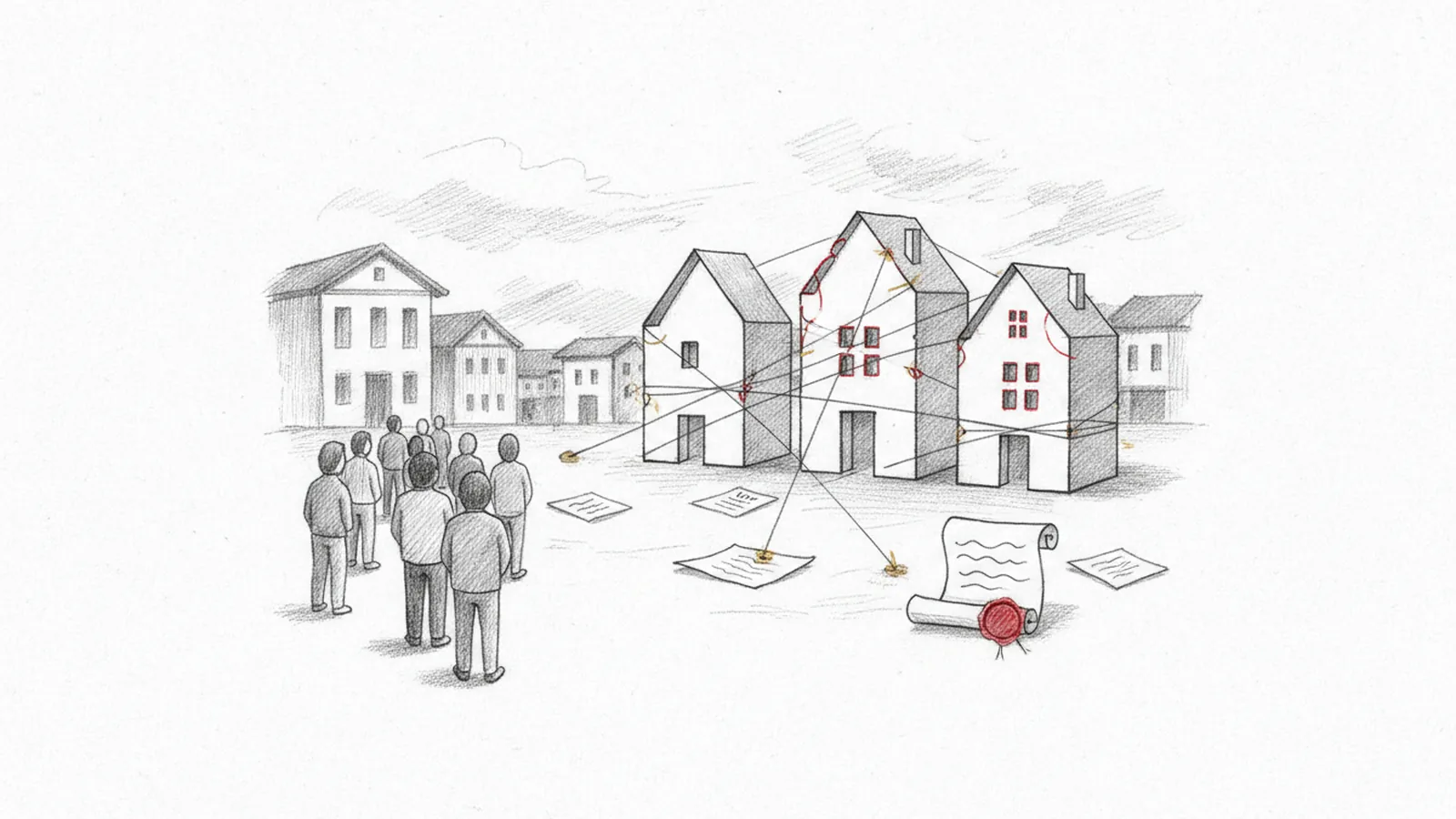
Three more Spanish municipalities have been added to the list of tensioned residential market zones. A resolution of the Secretaría de Estado de Vivienda y Agenda Urbana, published in the Boletín Oficial del Estado on 3 November 2026, records the zones declared during the third quarter of 2026 under article 18 of the Ley 12/2023, de 24 de mayo, por el derecho a la vivienda. All three entries are in the Basque Country: Sopela, Urduliz and Bergara. Each designation runs for three years from the day after the resolution is published.
The short answer
The list grew in the third quarter, and every new entry is Basque. Sopela and Urduliz were declared by a Basque order of 27 July 2026, published in the regional bulletin on 14 August. Bergara was declared by an order of 11 September 2026, published on 23 September. The state resolution records those declarations in the national list.
What a tensioned zone is
Under the 2023 housing law, a regional government may declare a residential market tensioned when housing costs place an excessive burden on households or when prices have risen sharply. The declaration is temporary. The regional authority makes it, and the central government then publishes the resulting list in the BOE.
What the resolution records
For each municipality, the resolution sets out four items:
- Period of validity. Three years from the day after publication, under article 18.2.d) of the 2023 law.
- Large holder. The definition used by the regional order. In the Basque orders, a large holder is a person or company that owns five or more urban residential properties in the municipality. Garages and storage rooms are excluded, as are homes owned by public administrations, their instrumental bodies and companies in which they hold a majority.
- Rent rules. Whether the second paragraph of article 17.7 of the Urban Leases Act applies. The resolution answers yes for all three towns.
- Sources. Links to the declaring order and to the technical report that supports it.
The resolution does not change any rent by itself. The practical effects depend on the declaring order and on the rules the regional government applies through it.
Who it affects
Landlords who own several homes in Sopela, Urduliz or Bergara are the group most directly affected, because the large-holder threshold decides whether the rules reach them. Tenants in these towns should expect the rules in the declaring order to shape any new contract or renewal. For background on how the national rental framework has changed, read our analysis of the rental registry ruling.
Buyers and investors should also read the regional order rather than the BOE alone, because the operative conditions sit in the regional texts.
Why the list matters
Each quarterly list tells owners and tenants which towns are currently covered by the tensioned-zone regime. The resolution fixes the validity period for each town, so a declaration remains in force for the stated three years unless the regional government changes it. For the housing price trend that sits behind these declarations, see our report on Spanish house prices in Q2 2026.
How to read the declaring order
The state resolution is a summary. To understand what applies in a given town, the reader needs the regional order, which sets the detailed definitions and conditions. The resolution links to each order, and also to the technical report, or memoria, that justifies the declaration. The report usually explains the statistical grounds for designating the town, including the housing price and affordability data the regional government relied on.
Readers should note the difference between the declaration and the operative rules. A declaration establishes that the town is a tensioned zone for three years. The rules that follow, including the large-holder threshold and the rent consequences, are set out in the order.
What to do now
This article is general information about public rules and is not legal advice. Consult a qualified adviser before taking a decision that depends on these rules.
This article is general information, not tax, legal or financial advice. Check your own situation with a qualified professional.